

By James Larson
Vadnais Heights sits in the humid continental climate zone, which means we experience pronounced seasons: warm, often wet summers; cold, snowy winters; and fairly rapid transitions during spring and fall. Understanding these patterns—and how our natural landscape interacts with them—can help us plan, protect, and enjoy our city’s environment.
Seasonal Weather Patterns
Summers
Summers here are typically warm and wet. Average daily highs in July reach into the low 80s°F, while overnight lows hover in the 60s. June tends to be our wettest month, often seeing frequent thunderstorms and heavy rain events. Warm daylight and moisture combine to support lush green growth—and sometimes flooding concerns in low-lying or impervious areas.
Winters
Winters bring bitter cold with average highs dipping into the low to mid-20s°F and lows in the single digits. Snow is common from late fall through early spring. On average, December tends to be the snowiest single month, and the coldest periods often come in mid-winter. Strong winds and cloud cover amplify the cold, making for long, gray stretches.
Spring and Fall Transitions
Spring arrives slowly. Snow melts and leaves finally appear. Frost risk can persist into April. Our growing season generally lasts about 5½ months—from late April through early October—when temperatures stay above freezing. Fall is often brief, with vivid foliage, cooling days, and the first snows arriving by late October or November.
Natural Environment and Ongoing Stewardship
Lakes, Wetlands, and Water Quality
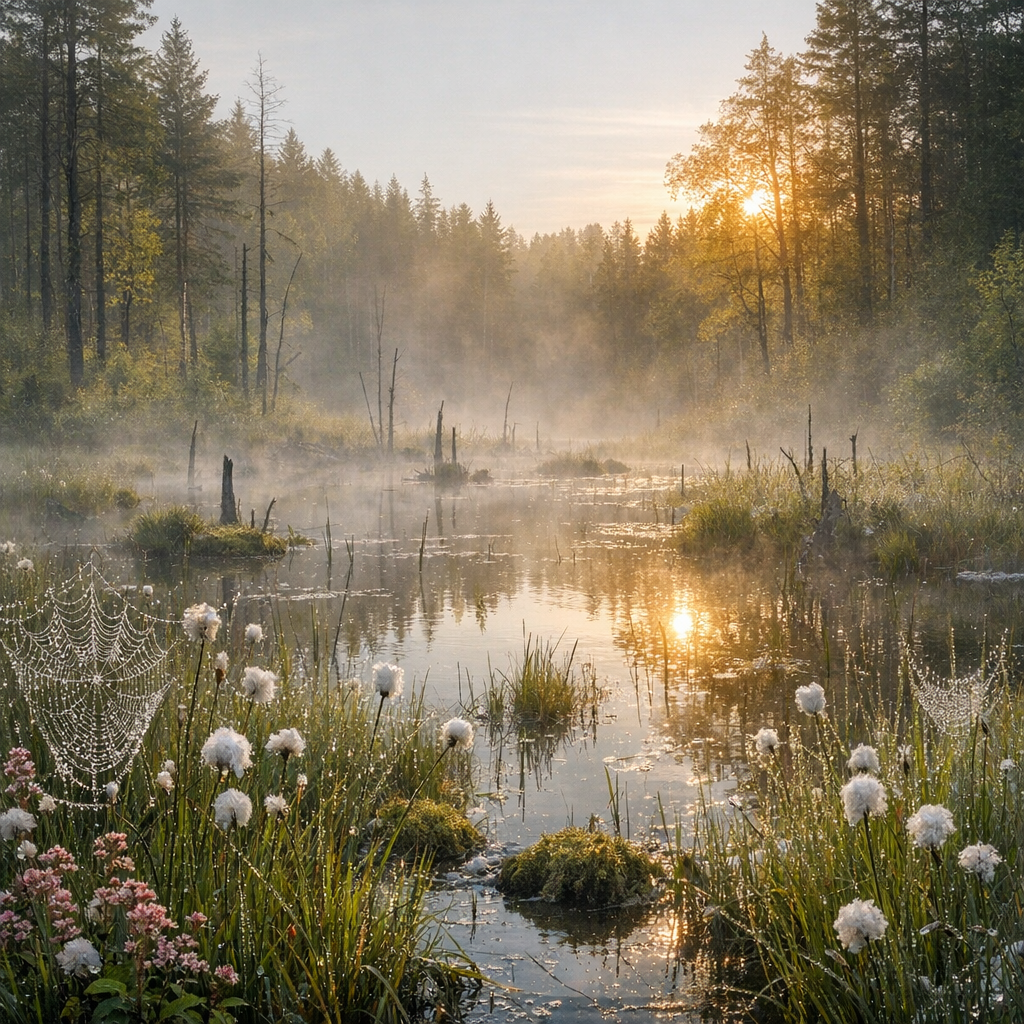
Lakes and wetlands are central to both the character and function of Vadnais Heights. They provide habitat for wildlife, help filter and store stormwater, and protect drinking water. Efforts by the city and watershed organizations focus on protecting East Vadnais Lake—an important drinking water source from runoff and pollutants.
Native Landscapes and Green Infrastructure
Native plantings—such as wet meadows, rain gardens, and hardwood forests—play an increasingly important role. The city permits and encourages “Managed Natural Landscapes” in residential, commercial, and industrial areas. These plantings improve habitat for pollinators and reduce runoff compared to traditional turf lawns.
Stormwater and Flood Management
Our storm sewer system, ponds, natural swales, and wetlands work together to manage heavy rains. The city’s stormwater infrastructure is built to handle what we call a “10-year storm”—meaning an event with rainfall intensity expected about once every decade. But with changing weather patterns and more frequent extreme precipitation, flood risk is increasing.
What Each Resident Can Do
- Choose native plants over turf in your yard. They need less watering, fertilizer, and upkeep.
- Consider installing rain gardens or rain barrels to capture runoff.
- Respect wetland buffers and shore-land regulations: they’re not just rules—they’re protections of water and wildlife.
- Volunteer for local restoration or cleanup projects, or support watershed group efforts.
- Stay aware of weather alerts and plan for colder or wetter periods especially in late fall and early spring.
Vadnais Heights’ climate creates both challenges and treasures. As our seasons shift, so does the landscape—and with thoughtful care, our natural systems can continue to support wildlife, protect water, and give residents the best of each season.