

In our interconnected world, global events often have direct and indirect effects on local communities, including those in Minnesota. Understanding these impacts can help residents navigate changes and foster resilience.
Economic Impacts
International trade policies and global market fluctuations can significantly influence Minnesota’s economy. For instance, changes in tariffs or international demand for agricultural products affect local farmers and related industries. Staying informed about global economic trends is crucial for businesses and workers alike.
Cultural Exchange and Diversity
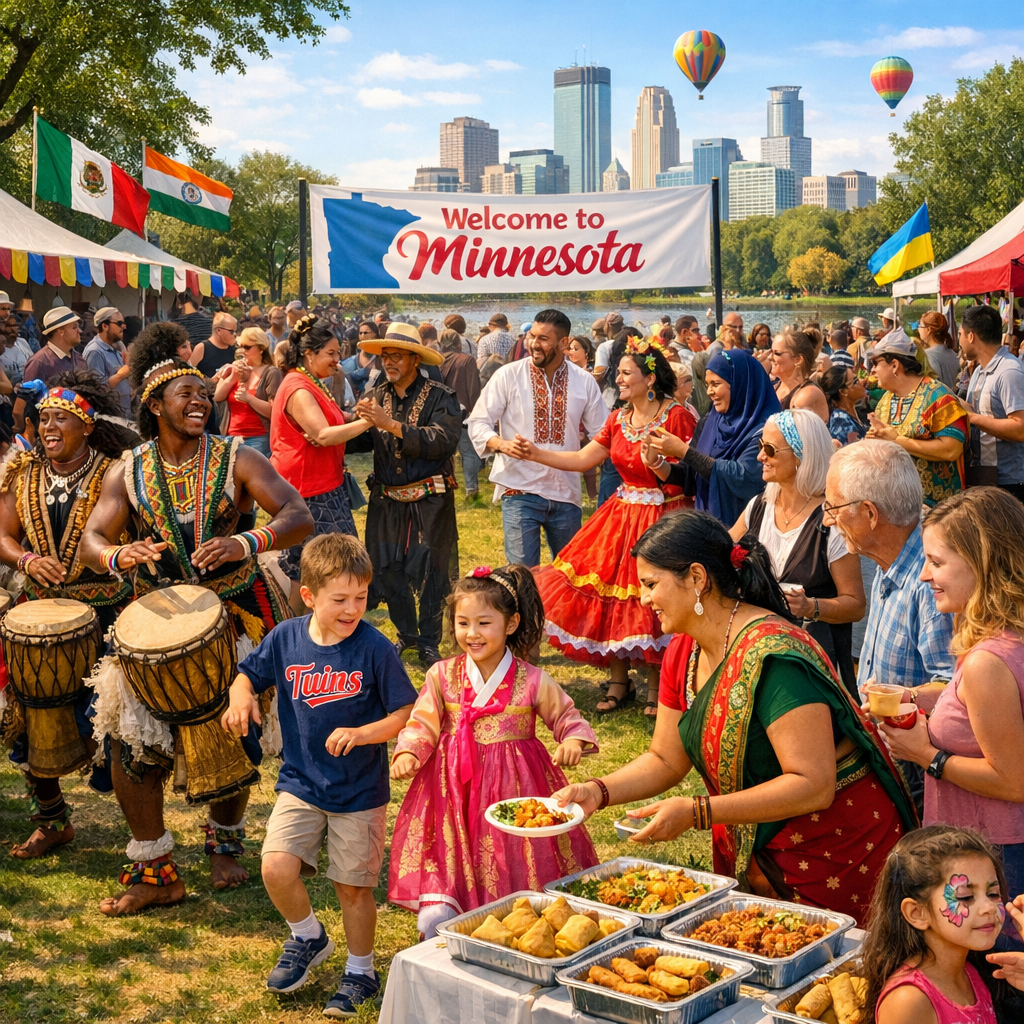
Minnesota’s rich cultural tapestry is enhanced by global events that promote diversity and inclusion. Festivals like the International Festival of Minnesota celebrate the state’s multicultural heritage, offering residents opportunities to experience global cuisines, arts, and traditions. Such events foster community cohesion and broaden cultural understanding.
Immigration and Community Dynamics
Global conflicts and humanitarian crises often lead to increased immigration, impacting local communities. Minnesota has a history of welcoming refugees and immigrants, enriching the state’s cultural and economic landscape. However, immigration enforcement actions can create challenges. For example, increased federal immigration enforcement in early 2026 led to economic disruptions and heightened fear among immigrant communities, affecting local businesses and social cohesion.
Climate Change and Environmental Concerns
Global environmental issues, such as climate change, have local repercussions. Minnesota has experienced extreme weather events, including severe storms and flooding, linked to broader climate patterns. These events underscore the importance of global environmental policies and local adaptation strategies to mitigate adverse effects on communities.
Health and Pandemic Responses
Global health crises, like pandemics, highlight the interconnectedness of public health systems. Minnesota’s response to such crises is influenced by international health guidelines and the global movement of people and goods. Collaborative efforts are essential to manage health emergencies effectively and protect local populations.
By staying informed about global events and understanding their local implications, Minnesota communities can better prepare for challenges and seize opportunities that arise in our increasingly globalized world.